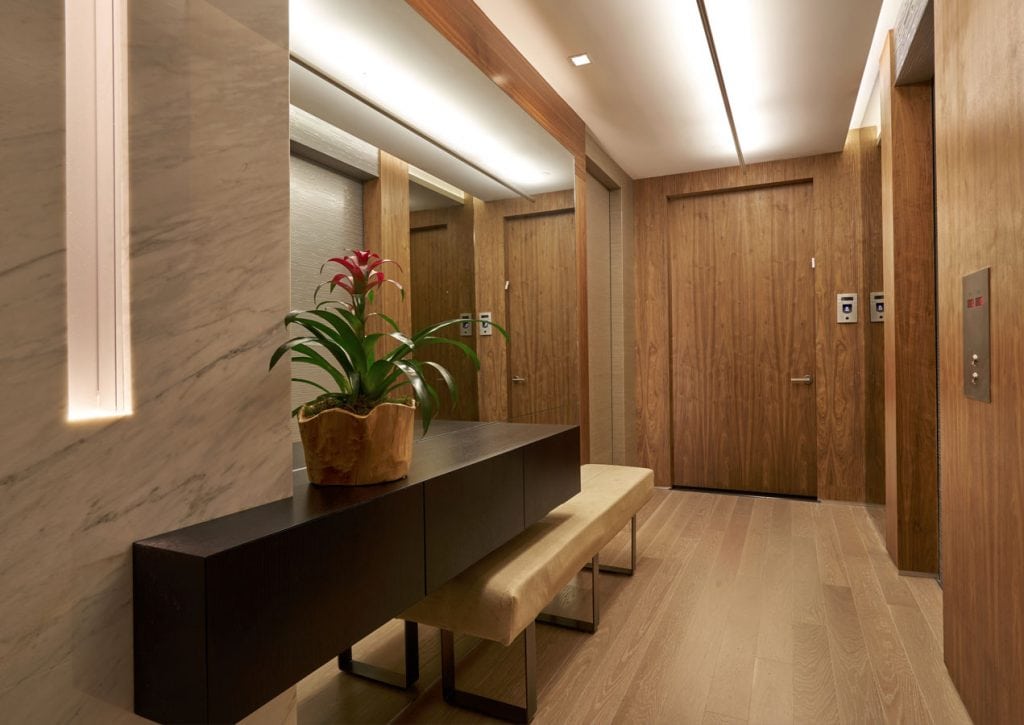
In the UK, interior design is often influenced by the juxtaposition of tradition and modernity, seen in iconic landmarks like Buckingham Palace and The Shard. Renowned design schools and exhibitions contribute to a thriving design community, shaping trends from refined Victorian aesthetics to minimalist, Scandi-inspired spaces. Within the realm of interior design, the transformative impact of lighting is undeniable. Like the sun’s gentle embrace through a canopy of trees, lighting shapes and elevates every facet of space, from its ambience to functionality. This exploration delves into the captivating interplay between lighting and interior design, illuminating the profound ability of light to infuse life and character into spaces. To learn more about this fascinating interplay, individuals can join an interior design course in the UK, where the intricacies of lighting’s influence are unveiled, and the art of harmonising light with design is mastered.
Setting the Tone:
The role of lighting extends far beyond mere illumination; it creates an ambience that speaks volumes. Just as a candlelit dinner exudes romance, warm and dimmed lighting in a living room evokes comfort and relaxation. Lighting sets the tone for the atmosphere, orchestrating a symphony of emotions within a space. Designers often manipulate lighting to craft desired moods, like composers score music to evoke specific feelings. The warm embrace of lighting can wrap a room in tranquillity or energise it with vibrancy, much like the melodies of music that envelop listeners in emotion.
Highlighting Features:
Lighting acts as a spotlight, directing attention toward specific elements within a room. Like a theatre’s stage lighting, it draws the eye to focal points, such as artworks or architectural features. Creative placement of lights can transform an ordinary object into an artistic masterpiece, captivating the gaze and adding drama to the design. This spotlight technique mirrors a director’s guidance, focusing the audience’s attention on pivotal scenes. Just as a director frames a scene to capture its essence, designers frame elements with light to emphasise their significance.
Spatial Illusion:
Lighting possesses the remarkable ability to manipulate the perception of space. Just as a magician’s illusion can deceive the eye, lighting can create spatial illusions. Strategically placed lights can make a room appear larger or cosier. In this magical interplay, light, and shadow dance to reshape our understanding of dimensions, reminiscent of an artist’s deft brushstrokes on a canvas. The interplay between light and shadow can sculpt spaces, much like the interplay of words in poetry that shapes the reader’s imagination.
Function Meets Aesthetics:
Beyond aesthetics, lighting serves practical purposes. Task lighting, like a writer’s desk lamp, enhances functionality by providing focused illumination for specific activities. Similarly, ambient lighting softly illuminates a dining area, enabling conversation and creating a welcoming atmosphere. The fusion of functionality and aesthetics in lighting design mirrors the balance of form and function in architecture. Just as an architect designs a building with practicality and beauty in mind, lighting designers ensure that illumination enhances usability and visual appeal.
Colour Play:
Lighting can alter the perception of colours, akin to how emotions can tint our interpretations of events. Warm lighting can infuse yellows with richness and reds with intensity, while cool lighting subdues colours, making them appear calm and serene. Interior designers leverage this colour play to accentuate colour schemes, creating vibrant or soothing visual narratives. The interplay of light and colour is a symphony of visual effects, where each hue dances to the tune of light’s embrace.
Architectural Embrace:
Like an actor in a play, incorporating lighting as an integral design element can redefine architectural spaces. Architectural lighting emphasises structural features, like highlighting textured walls or graceful arches. It transforms buildings into dynamic sculptures that morph with the changing angles of light. This design approach is reminiscent of a playwright crafting characters to enhance the narrative. The collaboration between architecture and lighting design resembles the synergy between characters and their roles in a captivating story.
Harmony of Shadows:
Beyond illumination, lighting design delves into the interplay of light and shadow. Just as an artist employs shading to add depth to a drawing, interior designers manipulate light to shape spaces. Shadows highlight textures, create depth, and add visual interest. Carefully orchestrating light and shadow adds complexity to interiors, transforming them from two-dimensional spaces into immersive realms.
Conclusion
As the symphony between lighting and interior design unfolds, its influence becomes clear. Lighting is the brushstroke that paints emotions onto the canvas of spaces, the conductor orchestrating the symphony of ambience. Its interplay with architecture, colour, and functionality reveals multifaceted layers of influence. As a skilled storyteller weaves words to create a vivid narrative, designers wield lighting to craft immersive environments.
To delve deeper into the art of illuminating design, consider exploring an interior design course in the UK. These courses shed light on the intricate dance of lighting and its profound impact on interiors. By joining these courses, one can uncover lighting design’s technical and artistic aspects, learning how to manipulate light to shape emotions and transform spaces. Much like a guiding light, these courses can lead toward mastering the art of lighting’s influence on interior design, ensuring designs radiate brilliance and captivate the senses.